The U.S. System of Federalism
1. Federalism is a system of government in which power is divided between a central authority and smaller political units, such as states or provinces. This basic principle is presented in the 10th Amendment to the U.S. Constitution.
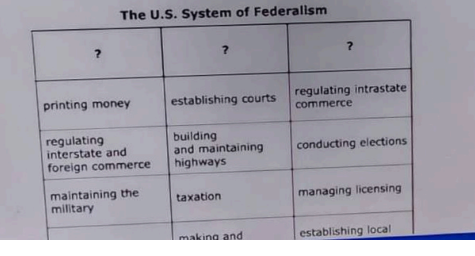
2. Under U.S. federalism, the national government is given power over issues of countrywide concern. These powers inciude providing national defense and declaring war, entering into treaties with foreign governments, printing money, regulating interstate and international commerce, and making laws that enforce the U.S. Constitution.
3. Power over domestic issues usually falls under the powers of the states. These powers include establishing local governments and issuing licenses. States also have the power to regulate intrastate commerce, provide for public health and safety, and exercise other powers that are not given to the federal government nor prohibited to the state governments. Finally, states exercise political powers, which include conducting elections and ratifying amendments to the U.S.Constitution.
4. The national and state governments share the powers of establishing and collecting taxes, building and maintaining highways, borrowing and spending
Complete the U.S. System of Federalism chart based on information from the passage. Click on the title below you want to select and drag it into the top of each column in the chart.
Correct Answer & Rationale
Correct Answer:
**Correct answer:** Federal Government **Rationale:** The Federal Government is responsible for national issues such as defense, immigration, and foreign policy, which distinguishes it from state governments. State Governments handle local matters like education and transportation, focusing on regional needs. The option "Local Government" refers to municipal or county levels, which operate under the authority of the state and do not encompass federal responsibilities. Therefore, the Federal Government is accurately placed at the top of the federalism chart, while the other options misrepresent the hierarchy and scope of governance in the U.S. system.
**Correct answer:** Federal Government **Rationale:** The Federal Government is responsible for national issues such as defense, immigration, and foreign policy, which distinguishes it from state governments. State Governments handle local matters like education and transportation, focusing on regional needs. The option "Local Government" refers to municipal or county levels, which operate under the authority of the state and do not encompass federal responsibilities. Therefore, the Federal Government is accurately placed at the top of the federalism chart, while the other options misrepresent the hierarchy and scope of governance in the U.S. system.
Other Related Questions
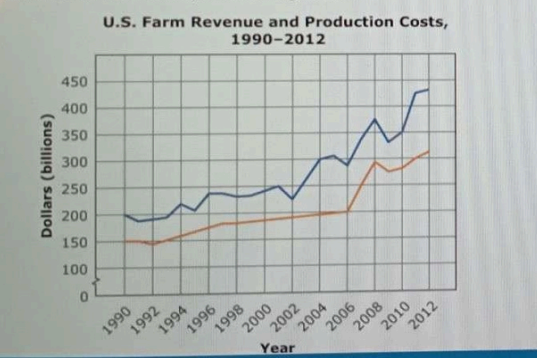
What impact do the varying insurance rates of the Revenue Protection Plan have on farming?
- A. They maintain stable prices for certain crops.
- B. They give farmers an incentive to promote crop diversity.
- C. They ensure the steady increase of crop production levels.
- D. They give farmers an incentive to grow crops that have higher subsidies.
Correct Answer & Rationale
Correct Answer: D
The varying insurance rates of the Revenue Protection Plan incentivize farmers to cultivate crops that receive higher subsidies, as these crops can mitigate financial risks associated with farming. This option aligns with economic behavior, where farmers are likely to prioritize profitability. Option A is incorrect because insurance rates do not directly stabilize prices; they primarily provide financial protection. Option B misrepresents the incentive structure; while crop diversity is beneficial, the plan does not specifically encourage it through varying rates. Option C is misleading, as the plan does not guarantee increased production levels; it merely provides a safety net against revenue loss.
The varying insurance rates of the Revenue Protection Plan incentivize farmers to cultivate crops that receive higher subsidies, as these crops can mitigate financial risks associated with farming. This option aligns with economic behavior, where farmers are likely to prioritize profitability. Option A is incorrect because insurance rates do not directly stabilize prices; they primarily provide financial protection. Option B misrepresents the incentive structure; while crop diversity is beneficial, the plan does not specifically encourage it through varying rates. Option C is misleading, as the plan does not guarantee increased production levels; it merely provides a safety net against revenue loss.
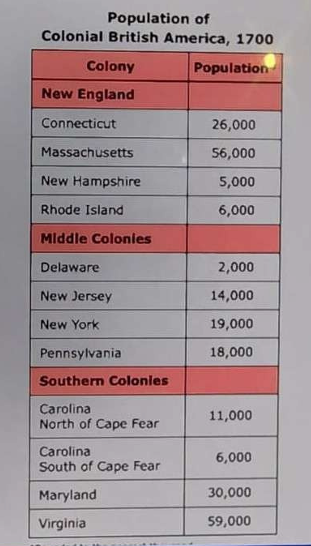
What was the mean population across the British American colonies in 1700?
- A. 56,000
- B. 21,000
- C. 6,000
- D. 16,000
Correct Answer & Rationale
Correct Answer: D
In 1700, the mean population across the British American colonies was approximately 16,000. This figure reflects the early colonial growth and settlement patterns during that period. Option A (56,000) overestimates the population, as it does not account for the smaller settlements and rural areas that characterized the colonies at that time. Option B (21,000) is also too high, misrepresenting the demographic data available for the early 18th century. Option C (6,000) significantly underestimates the population, ignoring the established colonies with growing communities. Thus, D accurately represents the mean population based on historical records.
In 1700, the mean population across the British American colonies was approximately 16,000. This figure reflects the early colonial growth and settlement patterns during that period. Option A (56,000) overestimates the population, as it does not account for the smaller settlements and rural areas that characterized the colonies at that time. Option B (21,000) is also too high, misrepresenting the demographic data available for the early 18th century. Option C (6,000) significantly underestimates the population, ignoring the established colonies with growing communities. Thus, D accurately represents the mean population based on historical records.
Which basic assumption is only behind the speech?
- A. Freedom of speech must be protected in schools.
- B. Citizens can express their views through symbols.
- C. Citizens should be able to express their views on issues.
- D. Freedom of speech has some restrictions
Correct Answer & Rationale
Correct Answer: D
The assumption that freedom of speech has some restrictions is solely focused on the speech itself, acknowledging that while individuals have the right to express themselves, this right is not absolute. Option A discusses the protection of speech specifically in schools, which implies a context rather than the nature of speech itself. Option B refers to expression through symbols, indicating non-verbal communication, thus not limited to speech. Option C emphasizes the ability to express views on issues broadly, again not confined to speech alone. Each of these options extends beyond the core principle of speech restrictions.
The assumption that freedom of speech has some restrictions is solely focused on the speech itself, acknowledging that while individuals have the right to express themselves, this right is not absolute. Option A discusses the protection of speech specifically in schools, which implies a context rather than the nature of speech itself. Option B refers to expression through symbols, indicating non-verbal communication, thus not limited to speech. Option C emphasizes the ability to express views on issues broadly, again not confined to speech alone. Each of these options extends beyond the core principle of speech restrictions.
Which statement from President Polk's address is a fact rather than an opinion?
- A. "Our title to… Oregon is 'clear and unquestionable,' and already are our people preparing to perfect that title by occupying it with their wives and children..."
- B. "[O]ur people… have filled the eastern valley of the Mississippi,... ascended the Missouri to its headsprings..."
- C. "Nor will it become in a less degree my duty to… maintain by all constitutional means the right of the United States to that portion of our territory which lies beyond the Rocky Mountains."
- D. "The jurisdiction of our laws and the benefits of our republican institutions should be extended over them in the distant regions which they have selected for their homes."
Correct Answer & Rationale
Correct Answer: B
Option B presents a factual statement about the movement of people in the United States, specifically noting their migration patterns along the Mississippi and Missouri rivers. This statement can be verified through historical records, making it a fact. In contrast, Option A expresses a subjective belief regarding the clarity of the title to Oregon, which is an opinion rather than an objective truth. Option C discusses the duty of the President in a way that implies a commitment but does not provide verifiable information. Lastly, Option D suggests a normative view on governance and territorial expansion, reflecting a belief in the benefits of U.S. institutions rather than stating a fact.
Option B presents a factual statement about the movement of people in the United States, specifically noting their migration patterns along the Mississippi and Missouri rivers. This statement can be verified through historical records, making it a fact. In contrast, Option A expresses a subjective belief regarding the clarity of the title to Oregon, which is an opinion rather than an objective truth. Option C discusses the duty of the President in a way that implies a commitment but does not provide verifiable information. Lastly, Option D suggests a normative view on governance and territorial expansion, reflecting a belief in the benefits of U.S. institutions rather than stating a fact.